Living with both Autism and ADHD means constantly balancing conflicting needs. DoMind offers the structured safety you crave with the dynamic flexibility you require.
Some individuals experience both Autism and ADHD at the same time. This combination is often referred to as AuDHD.
Living with AuDHD can feel like managing two different cognitive styles simultaneously.
Autistic traits often prefer structure, predictability, and consistent routines. ADHD traits, on the other hand, often seek novelty, flexibility, and stimulation.
This creates a unique balancing act.
Too much structure can feel restrictive. Too much flexibility can feel chaotic.
For many AuDHD individuals, traditional productivity systems fail because they tend to lean too far in one direction.
A useful planner for AuDHD must support both needs: structure and flexibility.
People with AuDHD often benefit from systems that combine clear organization with room for adaptation.
A typical day might include:
A good AuDHD planner provides enough structure to create stability while remaining flexible enough to handle shifting attention and energy.
This balance allows planning systems to support both autistic and ADHD traits rather than forcing users to choose between them.
Visual planning is particularly helpful for many neurodivergent individuals.
Instead of relying on dense text lists or complicated interfaces, visual systems present information in a way that is easier to process quickly.
A neurodivergent organization system often includes:
These features reduce cognitive load and make planning feel calmer and more manageable.
When tasks and routines are visible, it becomes easier to stay oriented throughout the day.
Many autistic individuals benefit from predictable routines.
Structured routines can create a sense of stability and reduce decision fatigue.
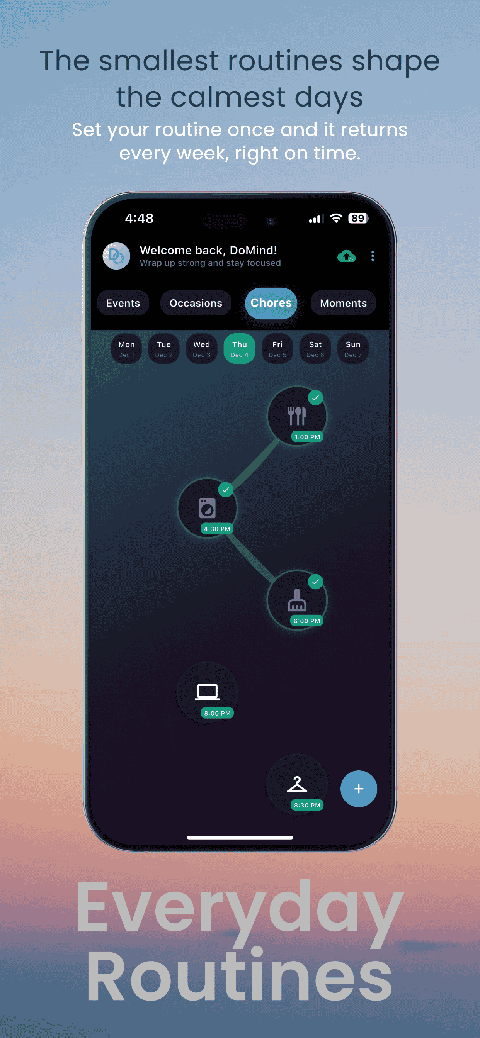
Examples of helpful routines include:
An autism routine planner allows these activities to appear consistently each day or week.
This predictable structure reduces uncertainty and helps maintain daily rhythm.
While structure can be helpful, ADHD traits often require flexibility.
Energy levels, focus, and interests may change throughout the day.
A rigid system can become frustrating when plans need to shift.
A good ADHD-friendly planner allows users to adapt their schedule easily.
Tasks can be moved, adjusted, or reorganized without disrupting the entire planning system.
This flexibility helps maintain productivity without creating unnecessary stress.
The most effective AuDHD planning systems combine structure with adaptability.
This means providing a stable framework while allowing users to modify plans when necessary.
For example, a planner might include:
This balanced approach supports both autistic preference for predictability and ADHD need for flexibility.
DoMind was designed to provide a calm and flexible planning environment.
Instead of forcing users into rigid productivity frameworks, the system provides simple tools that can adapt to different thinking styles.
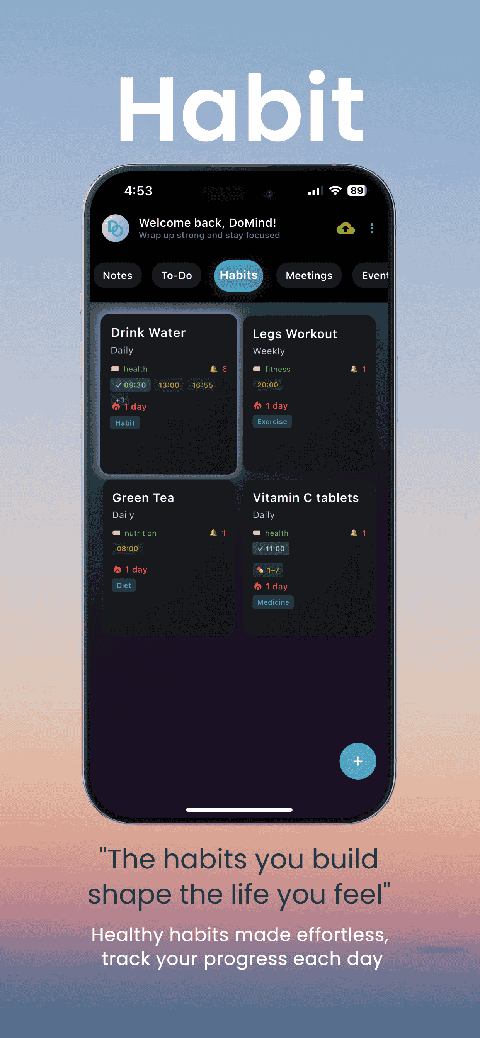
DoMind supports AuDHD planning in several ways:
Because these tools exist within one environment, users can manage different aspects of life without switching between multiple apps.
Many productivity tools unintentionally create cognitive overload.
Complex interfaces, large numbers of features, and complicated workflows can make planning feel exhausting.
A minimalist planner for neurodivergent users focuses on simplicity.
Clear layouts, calm visual design, and intuitive tools make planning easier to maintain.
When a planner feels comfortable to use, users are more likely to rely on it consistently.
One challenge for AuDHD individuals is maintaining routines without feeling trapped by them.
Predictable structure can be helpful, but it should not feel rigid.
A flexible planner allows routines to exist while still leaving space for change.
This balance helps users maintain consistency while still responding to real-life needs.
Living with both Autism and ADHD requires navigating two different sets of needs.
Structure provides stability. Flexibility provides freedom.
Planning systems that support both qualities can make everyday organization significantly easier.
DoMind was designed to provide this balance.
By combining visual planning, structured routines, flexible tasks, habits, and chores in one environment, DoMind creates a planner that adapts to how neurodivergent minds work.
For individuals navigating the unique experience of AuDHD, a planner that respects both structure and flexibility can make daily life feel calmer, clearer, and easier to manage.
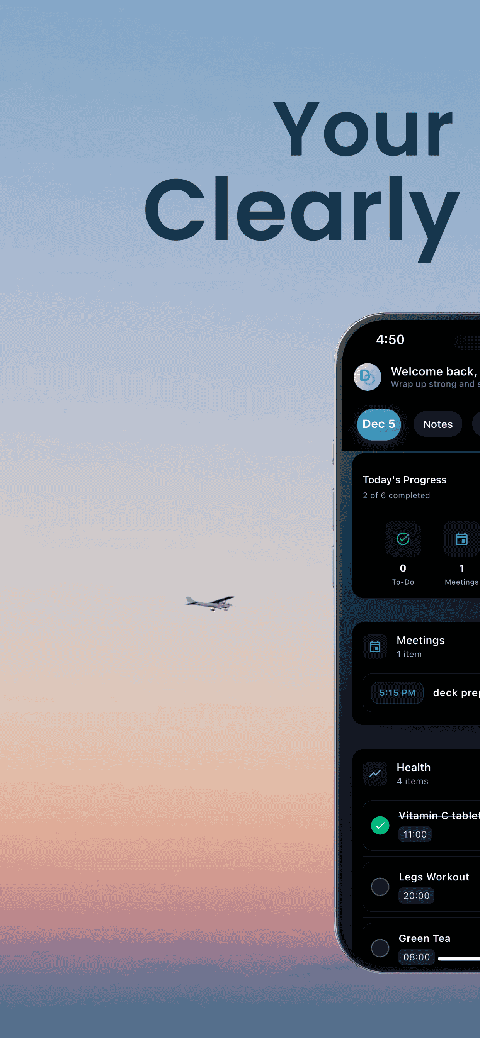
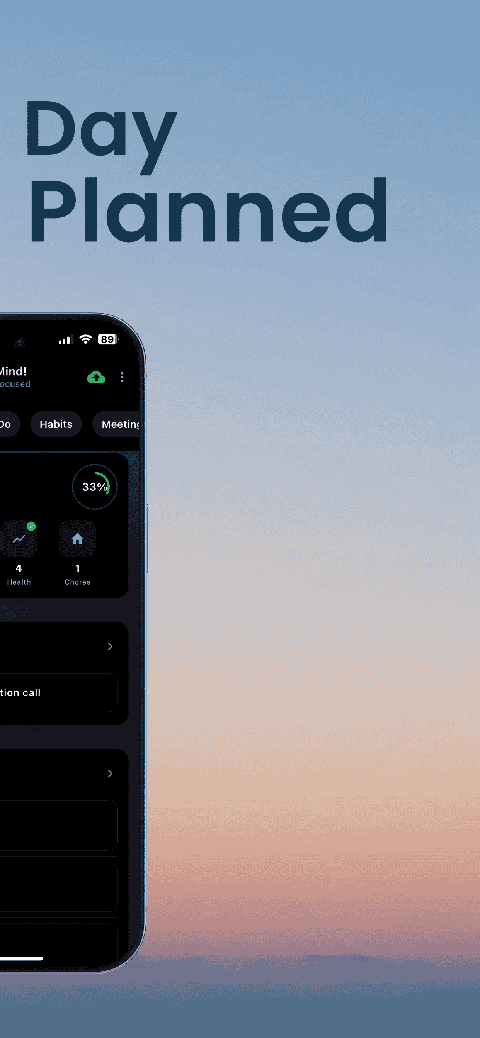
See your entire day visually in one place with DoMind's visual daily planner and task overview.

A clean visual planner designed for focus and calm.

Your life, organized
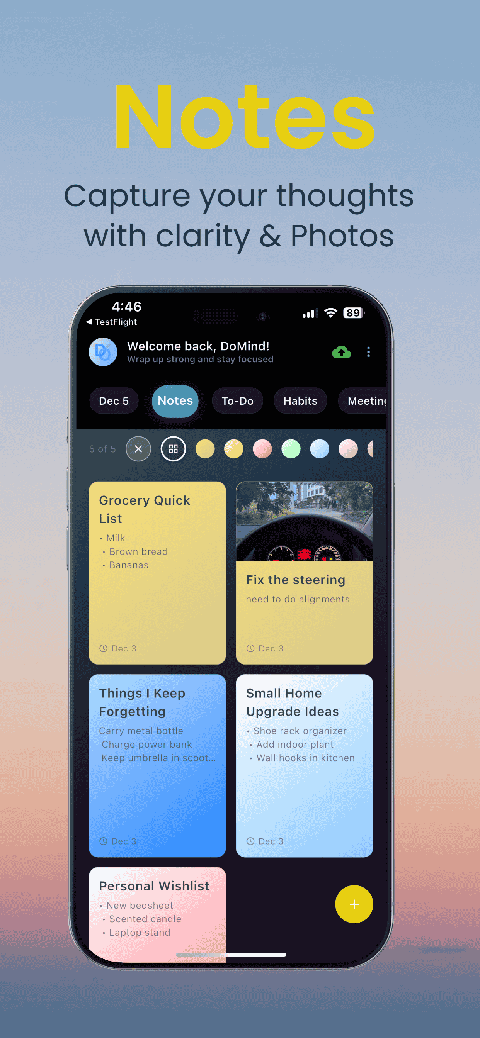
Visual notes
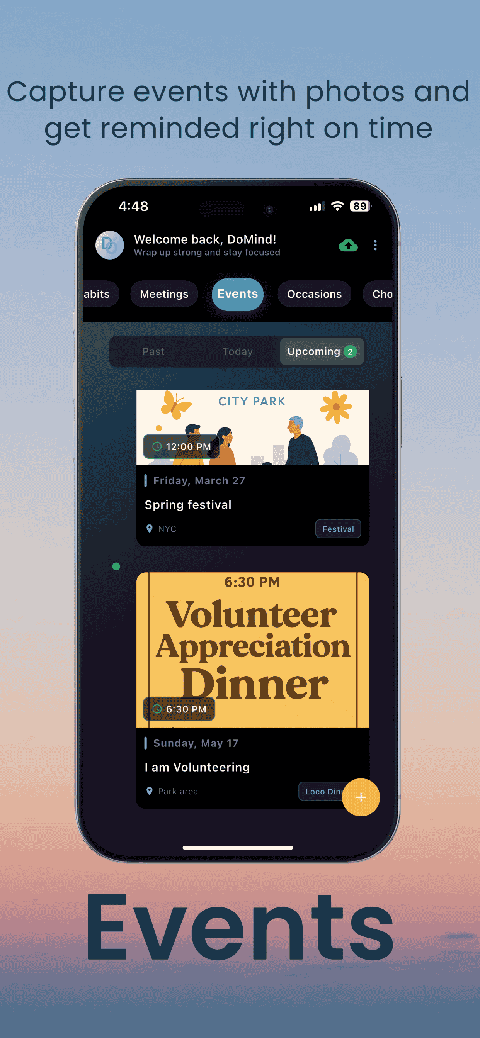
Plan events
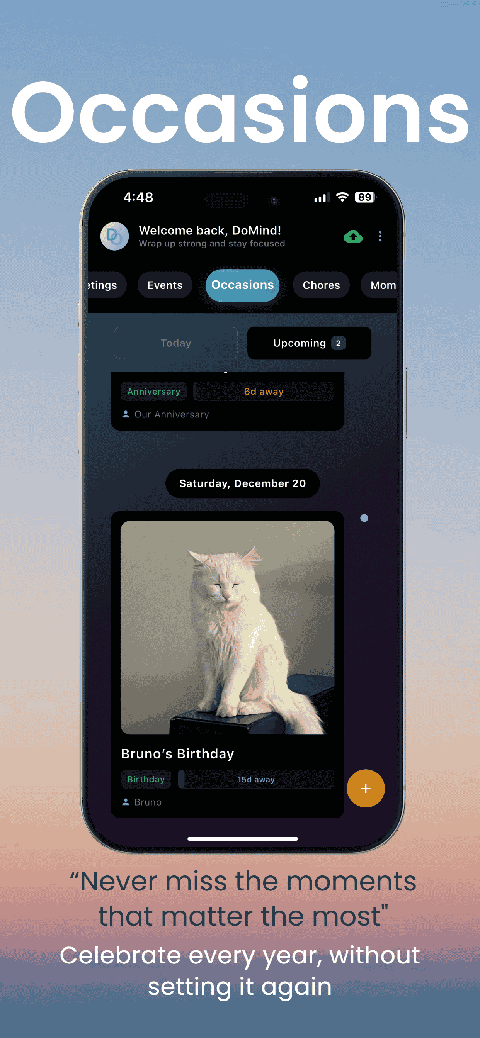
Private memories
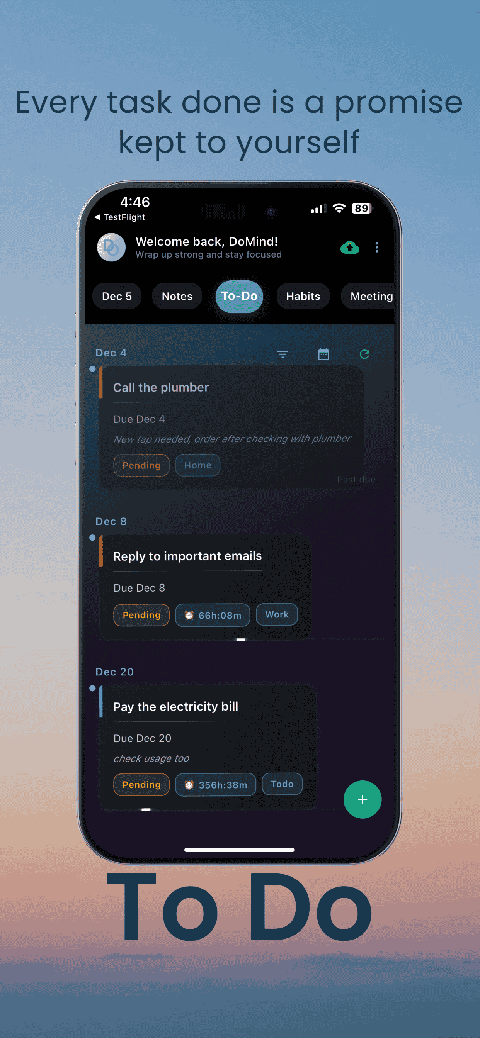
Manage tasks visually
Choose themes
Track habits
Organize routines
Visual experience
Calm interface
Standard planners feel like a wall of text. They trigger overwhelm.
Download DoMind free — the visual planner that respects your privacy.
